How AI and robotics are improving underground mine safety in Rwanda
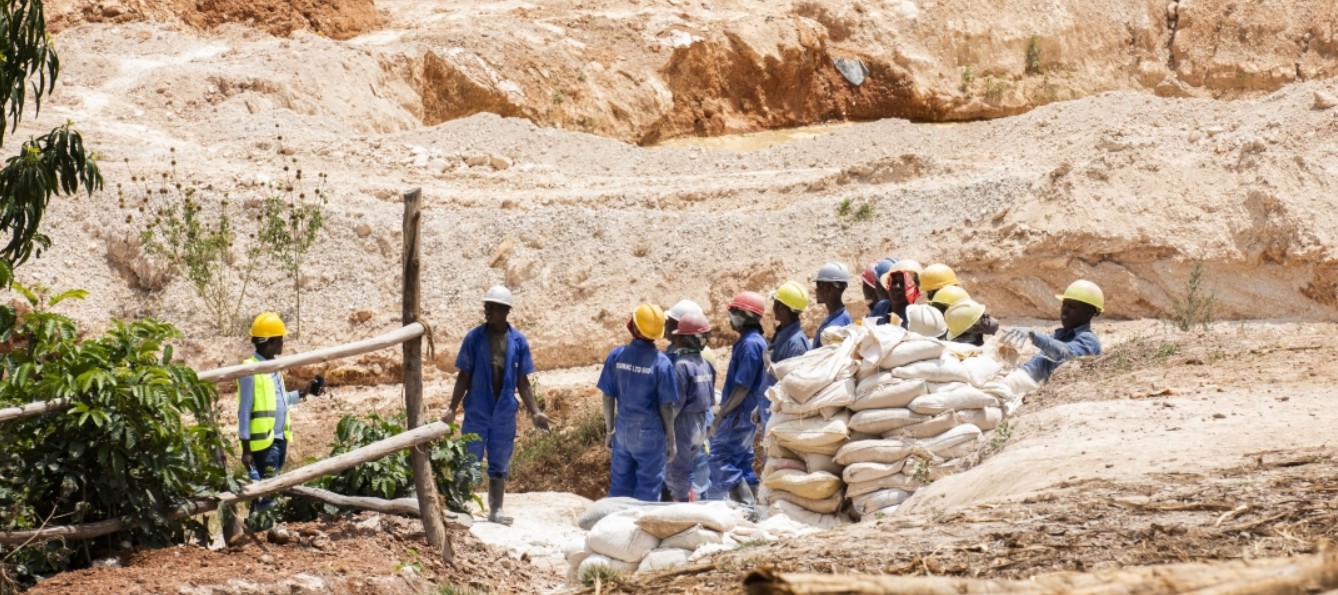
Rwandan miners are set to benefit from new robotics, sensors and AI tools designed to detect hazards, prevent equipment failure and improve underground safety across the country’s growing mining sector.
Local entrepreneurs are preparing to deploy technologies such as robotics and advanced sensors to enhance safety in mine tunnels across Rwanda.
The mining sector currently employs more than 92,000 people, many of whom work in hazardous underground environments.
More To Read
- OPINION: Before pointing at Rwanda, Belgium must finally confront its own African history
- Somalia on high alert as Marburg virus outbreak hits neighbouring Ethiopia
- Rwanda Cabinet approves reforms on transport, currency, climate
- Wave of coups in Africa: What President Paul Kagame thinks
- DR Congo, Rwanda leaders to sign peace deal in US
- Kagame says some coups are justifiable if they address governance failures
Robotic systems equipped with gas detectors, thermal cameras and vibration sensors can identify risks such as gas leaks, heat build-up, cracks in tunnel walls and shifting ground, enabling earlier warnings and faster interventions.
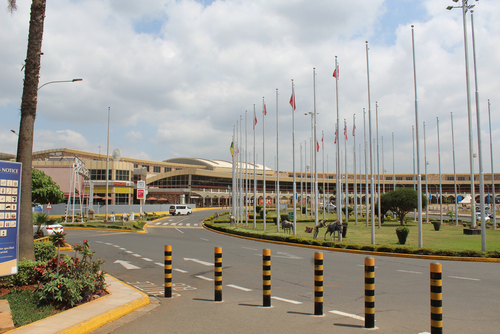
These innovations were showcased during an exhibition at the Kigali Convention Centre as part of Rwanda Mining Week, a four-day event that brought together global investors, policymakers, mining companies, technologists and development partners to discuss Rwanda’s growing role in the global critical minerals market.
 Senior officials and delegates tour exhibition stands showcasing investments in the mineral value chain during Rwanda Mining Week on December 2, 2025. (Photo: Keza Kellya Raissa/The New Times)
During a panel on “Mines of Tomorrow: Robotics for Smart Mining,” experts highlighted how automated systems could significantly strengthen safety, precision and efficiency in mining operations.
Benjamin Karenzi, Chief Executive of Zora Robotics, said the company is working with the Rwanda Mines, Petroleum and Gas Board to introduce robotics that can prevent underground accidents.
“We want to start a pilot research project to improve safety in mining tunnels,” he said. “Before mining begins, robotics will help detect risks and potential accidents so that maintenance can be carried out. Robots can identify weak infrastructure and assess whether part of the mine might collapse.”
Karenzi added that robotic tools will also monitor toxic gases, which frequently cause fatalities underground, and map tunnel conditions in real time—tasks human teams cannot perform continuously.
Robotics could further help regulate working hours and track the number of miners in designated areas. The systems may also be linked to health checks, such as blood pressure and respiratory assessments, to ensure workers entering tunnels are fit for the environment.
Zora Robotics previously deployed similar technologies during the Covid-19 and Marburg outbreaks. Karenzi said introducing robotics at a single mine site could cost about Rwf 120 million, but the benefits—including early hazard detection, improved inspections and reduced risks—are immediate.
Detecting machine failure before accidents
Two University of Rwanda students, Vivier Irakoze Nziza and Derick Iradukunda, are developing a low-cost device to detect early signs of mining equipment failure. Their prototype uses real-time monitoring of sound and temperature to flag abnormal machine conditions.
Sensor data processed by a microcontroller triggers alerts when thresholds are exceeded, helping operators prevent breakdowns, downtime and potential safety hazards. The system aims to support predictive maintenance and improve overall operational safety.
The growing role of AI in mining
Kelvin Rwihimba, Chief Executive of MineTech, said artificial intelligence is transforming—not reducing—mining jobs by improving accuracy and decision-making.
“AI can interpret geological data, track deposits, predict hazards and support exploration,” he said.
Ray Power, Chief Executive of Power Resources International, which operates Africa’s only tantalum and niobium refinery in Rwanda’s Eastern Province, stressed that mining is becoming increasingly data-driven.
“Data is the new oil. The sooner we digitise, the sooner we unlock the true value of this sector,” he said, noting that his company relies on AI, cameras and video analytics to support real-time monitoring and boost production. He also endorsed deploying robots inside tunnels to reduce worker risk.
Government perspective
Itzhak Fisher, Chairperson of the Rwanda Mines, Petroleum and Gas Board, said Rwanda continues to encourage the adoption of artificial intelligence, automation, robotics, internet-connected sensors, high-speed connectivity, unmanned aerial vehicles and data-driven decision-making in the mining sector.
Prime Minister Justin Nsengiyumva stressed the central role minerals play in modern economies and in driving the global shift to environmental sustainability.
“Our vision remains clear. We want a mining sector that is responsible, inclusive and aligned with international standards,” he said. “This means ensuring that mining delivers tangible benefits to communities, protects the environment and contributes to long-term stability.”
Alice Uwase, Chief Executive of the Rwanda Mines, Petroleum and Gas Board, reiterated that unlocking the full potential of the mining sector requires deeper investment in technology, research and geoscientific expertise.
“Research and skills development play an essential role in shaping Rwanda’s modern extractive industry,” she said.
Top Stories Today